 FACEBOOK
 Instagram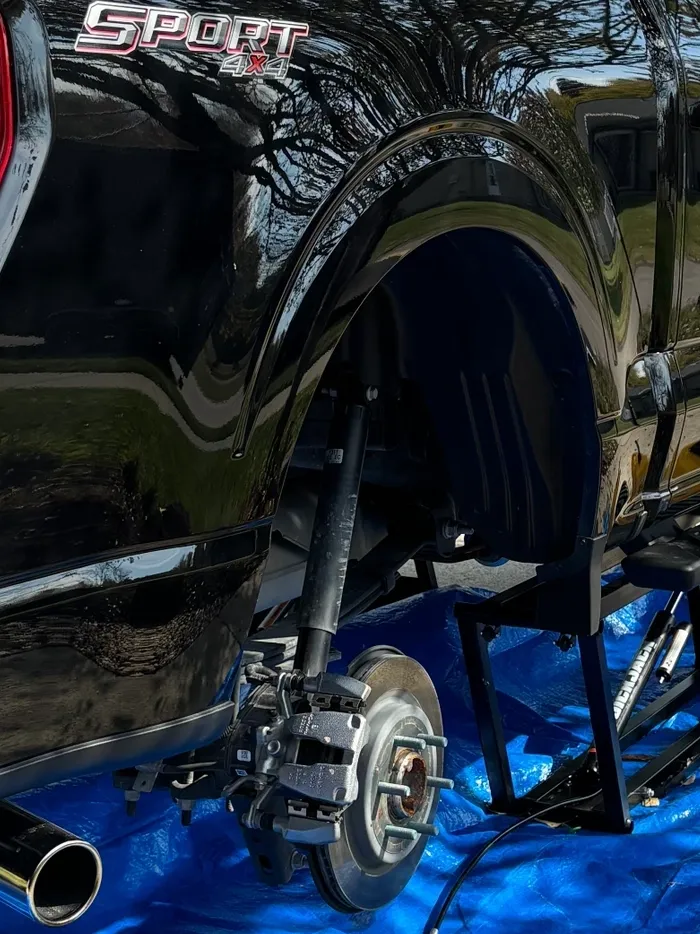
-
July 07 ,2023
-
0 Comments
Introduction to Auto Care Basics and basic car maintenance for beginners
As you know owning a vehicle comes with a lot of responsibilities, that can really chip away at your time. One of which is proper maintenance and detailing. While some people see these tasks as time-consuming and costly, proper vehicle care is a necessary investment in the long run. A well-maintained vehicle not only runs smoothly and looks newer for longer, but also has a higher resale value. So let’s dive into the importance of proper vehicle maintenance and detailing, the latest in telematics software and hardware that unlocks new potential in the automotive care industry, and the financial benefits of a properly maintained vehicle when it comes time to sell.
Why Proper Vehicle Maintenance is Important:
Proper vehicle maintenance is critical for a variety of reasons. Not only does it ensure that your vehicle is running efficiently and looking its best, but it can also help you avoid costly repairs, breakdowns, corrosion, and paint damage that can leave you stranded on the side of the road or with significant damage to your vehicle’s finish. Regular maintenance and detailing can prevent minor issues from becoming major ones, which can save you a significant amount of money in the long run. For example, replacing worn brake pads or changing your oil at the recommended intervals can help prevent more extensive damage to your vehicle’s engine and transmission. Regular detailing also extends the life of your vehicle and is also crucial in areas that salt the roads, as salt can cause significant damage to your vehicle’s undercarriage and exterior. Corrosion and rust can eat away at your vehicle, causing serious problems down the road.
In addition to avoiding costly repairs, proper maintenance can also extend the life of your vehicle. Regular oil changes, tire rotations, and other maintenance tasks can help your vehicle last longer and run better. This can save you money on car payments and help you avoid the hassle of shopping for a new vehicle. The main advantage of regular maintenance and detailing is that it can help maintain the resale value of your vehicle. A well-maintained vehicle is worth more when it comes time to sell or trade in. According to Cox Automotive, on average, a well-maintained vehicle returns 15% percent more in resale value. This means that investing in regular maintenance and detailing now can pay off in the future when it’s time to upgrade to a new vehicle.
In short, proper vehicle maintenance and detailing are critical for keeping your vehicle running smoothly, extending its lifespan, and maintaining its resale value. By investing in regular maintenance and detailing, you can save yourself time and money in the long run, while also ensuring that your vehicle looks and performs its best.
A basic maintenance schedule:
To ensure that your vehicle is well-maintained, it is essential to create a maintenance schedule that includes tasks such as oil changes, tire rotations, brake checks, and fluid top-ups. Following the maintenance schedules recommended by the manufacturer can help keep your vehicle in optimal condition. A basic rundown of what that looks like is as follows:
- Oil and Filter Changes: Every 5,000 to 7,500 miles or as recommended by the manufacturer, you should change your oil and filter. This helps ensure that your engine stays lubricated and clean, reducing wear and tear.
- Tire Rotation: Every 6,000 to 8,000 miles or as recommended by the manufacturer, you should rotate your tires. This helps ensure even wear and extends the life of your tires.
- Brake Inspection: Every 10,000 to 15,000 miles or as recommended by the manufacturer, you should have your brakes inspected. This includes checking the brake pads, rotors, calipers, and fluid levels.
- Air Filter Replacement: Every 15,000 to 30,000 miles or as recommended by the manufacturer, you should replace your air filter. This helps ensure that your engine is getting the cleanest air possible, which can improve fuel efficiency and reduce emissions.
- Transmission Service: Every 30,000 to 60,000 miles or as recommended by the manufacturer, you should have your transmission serviced. This includes changing the fluid, filter, and gasket.
- Cooling System Flush: Every 50,000 miles or as recommended by the manufacturer, you should have your cooling system flushed. This helps remove built-up debris and contaminants that can cause overheating and other problems.
- Spark Plug Replacement: Every 60,000 to 100,000 miles or as recommended by the manufacturer, you should replace your spark plugs. This helps ensure that your engine runs smoothly and efficiently.
- Timing Belt Replacement (If so equipped): Every 60,000 to 100,000 miles or as recommended by the manufacturer, you should replace your timing belt. This helps ensure that your engine runs smoothly and can prevent costly damage if the belt were to fail.
In addition to these regular maintenance tasks, detailing your vehicle is also important for its long-term health and value. Here are some key detailing tasks that are recommended:
- Exterior Wash and Ceramic Protection: Regular washing and a ceramic coating can help protect your vehicle’s paint from damage caused by dirt, grime, and UV rays.
- Interior Detailing: This includes vacuuming the carpets and seats, cleaning the dashboard and console, and conditioning the leather or vinyl.
- Engine Bay Cleaning: A clean engine bay not only looks better, but it can also help prevent damage caused by built-up debris and contaminants.
- Wheel Cleaning: Cleaning your wheels and rims can help prevent corrosion and damage caused by brake dust and road salt.
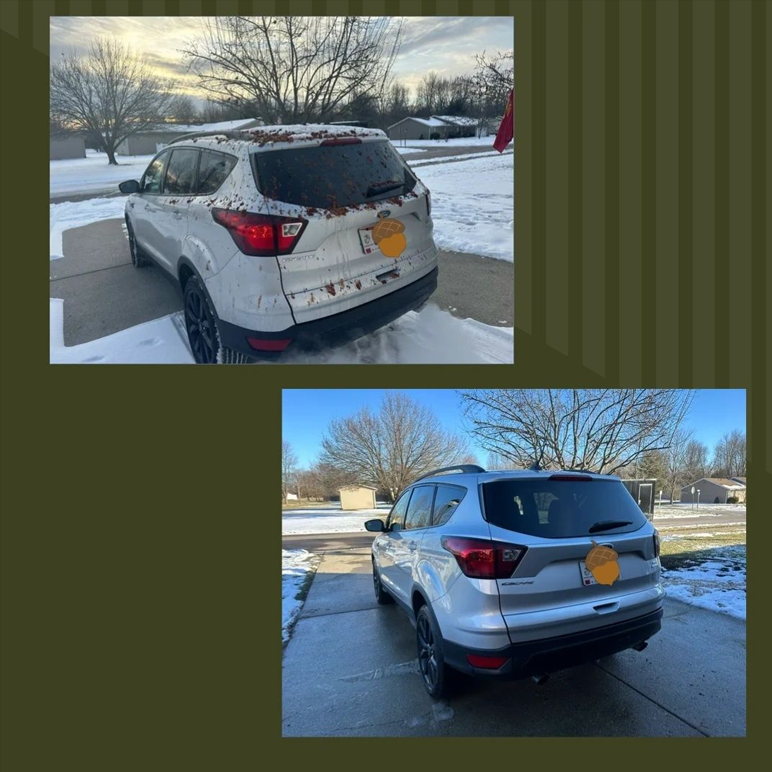
- Salt Removal: During the winter it is vital to remove salt or other road treatments as quickly as possible as they are very corrosive.
Why Detailing and not a drive-through carwash:
While drive-through car washes may seem like a convenient and affordable option for keeping your car clean, they can actually cause damage to your vehicle’s paint and finish. The high-pressure jets of water, brushes, and harsh chemicals used in these automated car washes can scratch and swirl the paint, leaving behind unsightly marks and reducing the overall shine and gloss of the vehicle. Not only that but over time they will reduce the overall life of your vehicle’s exterior finish.
Additionally, drive-through car washes are not able to clean your vehicle as thoroughly as a professional detailing service. The brushes and equipment used in automated car washes are not able to reach every nook and cranny of your car, leaving behind dirt and grime in hard-to-reach areas. This can lead to a buildup of dirt and debris over time, which can further damage the paint and cause it to deteriorate. Additionally, automatic car washes tend to leave behind bug residue, which is highly acidic, and can actually etch the paint leaving requiring paint correction or worse yet leaving a permanent mark in your vehicle’s clear coat.
Alternatively, professional detailing is a much better option for keeping your car looking its best. Detailers use specialized tools and techniques to remove dirt and grime from every surface of your car, including the areas that automated car washes can’t reach. Detailing services also use high-quality products and equipment that are gentle on your car’s paint and finish, helping to preserve its shine and luster. Another great detailing advantage is the latest advances in vehicle protective coatings such as ceramic, enamels, and even now self-healing coatings that are resistant to UV rays, chemicals, and abrasions, which helps to prevent damage to your car’s paint over time. Additionally, ceramic coatings provide a hydrophobic layer that repels water and makes it easier to clean your car.
Detailing services can also provide additional benefits beyond just cleaning your car. They can restore the appearance of faded or damaged paint, remove scratches and swirl marks, and protect your car’s finish from future damage. Detailing can also help to increase the resale value of your car, as a well-maintained and clean vehicle is much more appealing to potential buyers and will typically bring you more value than the cost of the detail.
By following those basic maintenance and detailing recommendations, you can help ensure that your vehicle stays in optimal condition for years to come. However, it’s important to note that these are general guidelines and that specific recommendations may vary depending on your car’s make and model and your specific requirements. With RMR’s coming Auto Concierge program, we’ll track all this for you utilizing the latest in telematics software and hardware.
Telematics Software and Hardware:
Telematics technology is rapidly advancing and revolutionizing the way we manage our vehicles. With the latest telematics software and hardware, we can monitor our vehicle’s performance in real-time, track its location, and improve our driving habits.
One of the key benefits of telematics is that it can help us identify and diagnose potential issues before they become major problems. Telematics software can monitor your vehicle’s engine and alert you to any warning signs or error codes, giving you the opportunity to address the issue before it causes damage. This can save you money on costly repairs and also help prevent breakdowns on the road.
Another important feature of telematics is the ability to track your vehicle’s location and movements. This can be especially helpful in the event of theft or vandalism, as it can help authorities locate and recover your vehicle. Additionally, telematics can be used to monitor your driving habits and provide feedback on areas for improvement. For example, telematics software can monitor your speed, braking, and acceleration and provide tips on how to drive more safely and efficiently.
Telematics hardware can include a variety of devices, such as GPS trackers, OBD-II adapters, and sensors. GPS trackers can be used to monitor your vehicle’s location and movements, while OBD-II adapters can provide real-time data on your vehicle’s performance, such as speed, fuel consumption, and engine health. Sensors can be used to monitor things like tire pressure, fuel level, and battery health, providing valuable insights into your car’s condition.
One of the most exciting developments in telematics is the emergence of connected vehicles which are equipped with built-in telematics hardware and software, allowing them to communicate with other devices and systems. For example, a connected car might be able to communicate with your home’s smart thermostat, so that it can adjust the temperature to your liking as you approach. Connected cars can also communicate with other vehicles on the road, helping to improve safety and prevent accidents.
Most importantly, the latest in telematics software and hardware is transforming the way we think about vehicle maintenance and management. Whether you operate a fleet, own a collection, operate a car share fleet, or just want more time to do the things you want to do. By providing real-time data and insights, telematics can help us identify potential issues before they become major problems, improve our driving habits, and stay connected with our cars in new and exciting ways. As this technology continues to advance, we can expect even more innovative features and capabilities in the future.
Conclusion:
So, to recap, proper vehicle maintenance and detailing are essential investments in the long-term health and value of your vehicle. By following the recommended maintenance schedules and keeping up on details, you can ensure that your vehicle runs smoothly, and efficiently while lasting longer and looking better. Telematics software and hardware have revolutionized the automotive care industry, allowing us to monitor the performance of our vehicles in real-time, track their location, and improve our driving habits. Finally, proper maintenance can also have significant financial benefits, including a higher resale value and lower repair costs. By prioritizing proper vehicle care, you can enjoy a safer, more efficient, and more valuable driving experience.
Leave a Reply